
Building a High-Speed Testing Framework for an Agentic AI Platform
An agentic AI platform partnered with Tarams to rebuild its end-to-end testing, cutting full-suite execution from over 16 minutes to 7 minutes.
Testing could not keep pace with AI-driven development.
The client's platform evolved rapidly, with AI-generated development enabling large feature updates within hours. Its testing approach had not kept up, leaving teams without a reliable way to validate changes across the platform.
Regression risk
Rapid AI-generated changes
Frequent AI-assisted changes made it hard to confirm that new features did not affect existing functionality, particularly the core AI model pipelines.
Fragmented checks
Manual, ad hoc validation
Ad-hoc checks and human-led testing lacked a unified way to verify platform health and could not scale with development velocity.
Slow cycles
16-minute sequential suite
The full end-to-end suite took over 16 minutes to run sequentially, delaying feedback and limiting how useful it was in continuous integration workflows.
A framework built around reliability, speed and coverage.
Tarams designed a comprehensive end-to-end testing framework around five priorities: reliability, maintainability, speed, coverage and selective execution.
Structured test architecture
Test specifications are separated from platform interactions, with stronger assertions across successful and failure scenarios to verify how the system actually behaves.

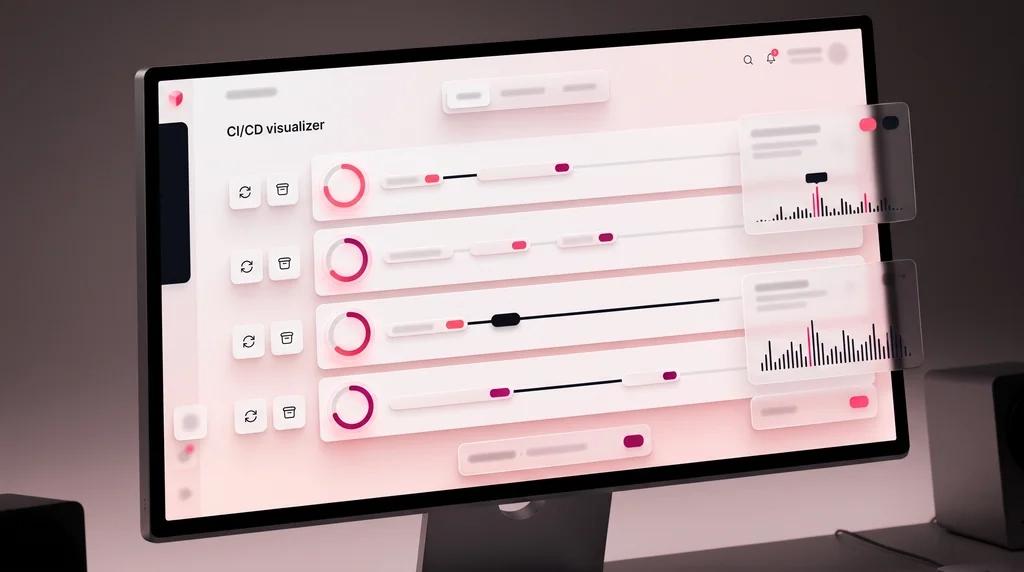
Parallel execution and CI optimisation
Independent tests run concurrently, while optimised caching, image builds and container configurations reduce execution time.
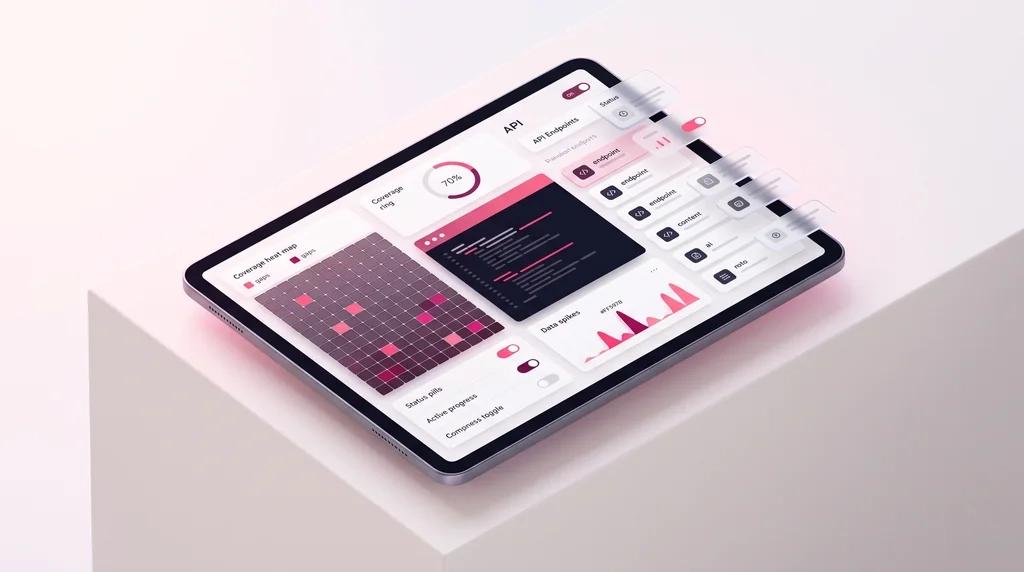
CLI and API coverage tracking
A coverage measurement framework identifies testing gaps across both the command-line and API interfaces.
Selective test execution
Granular test tagging lets developers run only the relevant test subsets during local development.

Comprehensive validation that fits inside CI.
The new framework aligned testing speed and reliability with the client's AI-driven development pace.
7min
Full-suite runtime
Down from over 16 minutes, so comprehensive validation is practical inside CI workflows.
70%
Less manual validation
Structured end-to-end checks replaced the ad-hoc manual validation that could not keep pace with development.
55%
Faster test execution
The suite runs in less than half the time without compromising reliability.
2interfaces
Coverage measured
Coverage tracking now spans both the command line and the API, so testing gaps are visible instead of assumed.