
From legacy to cloud: modernizing Medicaid software data infrastructure
Tarams helped a US-based Medicaid software company replace its on-premise data warehouse with a cloud-native ELT pipeline, cutting time-to-insight from 24 hours to 30 minutes.
Limits of the on-premise data warehouse.
The on-premise data warehouse (DWH) and extract, transform, load (ETL) pipeline could not keep up with near-real-time reporting and analytics.
Slow data access
On-premise pipeline
The on-premise DWH and ETL pipeline restricted how quickly data was available.
Schema rigidity
Slow to adapt
The setup was slow to respond to changes in data schemas.
Fixed capacity
No room to grow
The on-premise setup could not scale with growing demand for reporting and analytics.
A cloud-native DWH and ELT pipeline.
Tarams worked with the client on a comprehensive data modernization project.
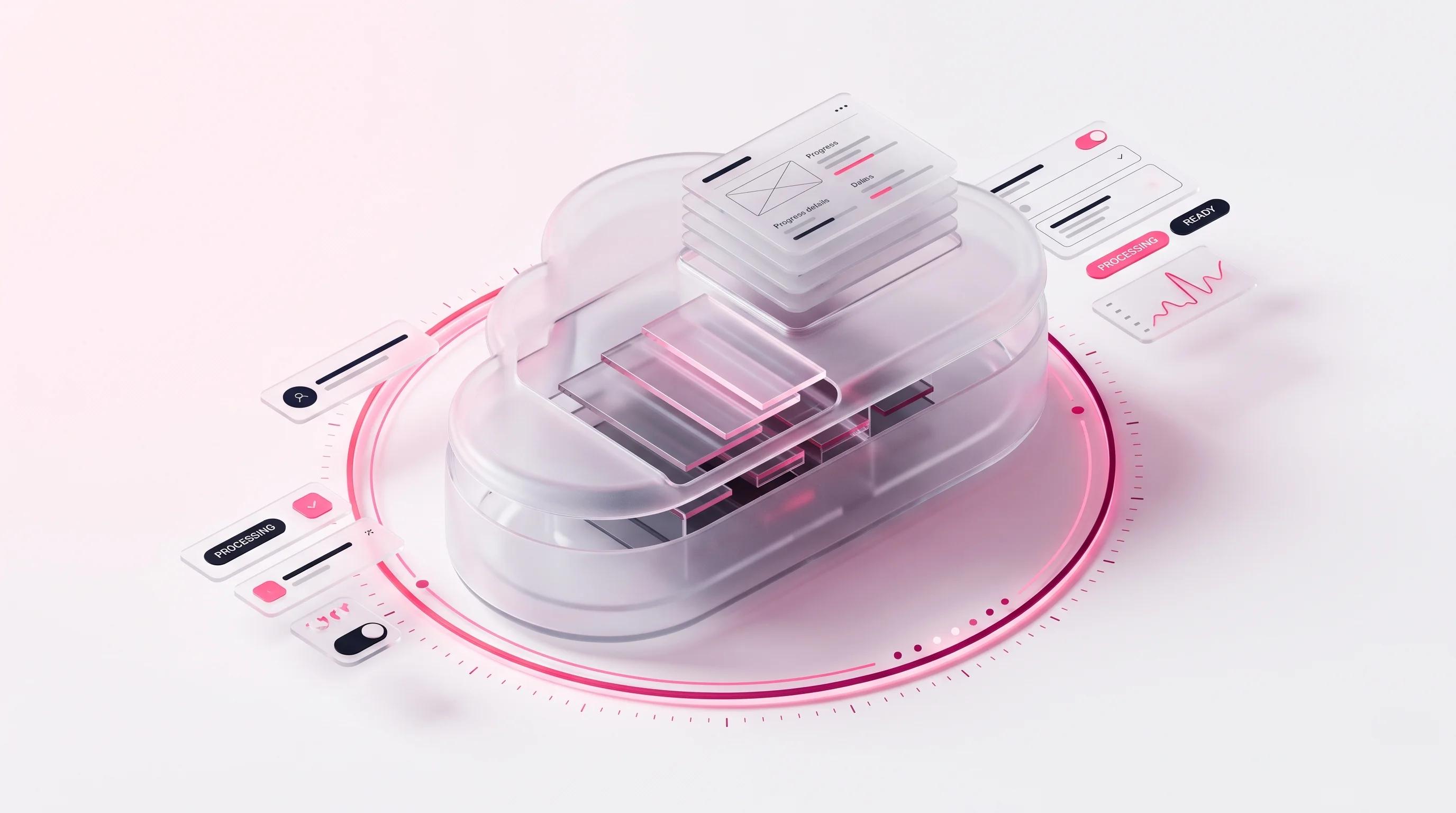
Migration to cloud-native infrastructure
Tarams moved the on-premise DWH and ETL pipeline to a cloud-native DWH and ELT pipeline, improving availability, responsiveness, and scalability.
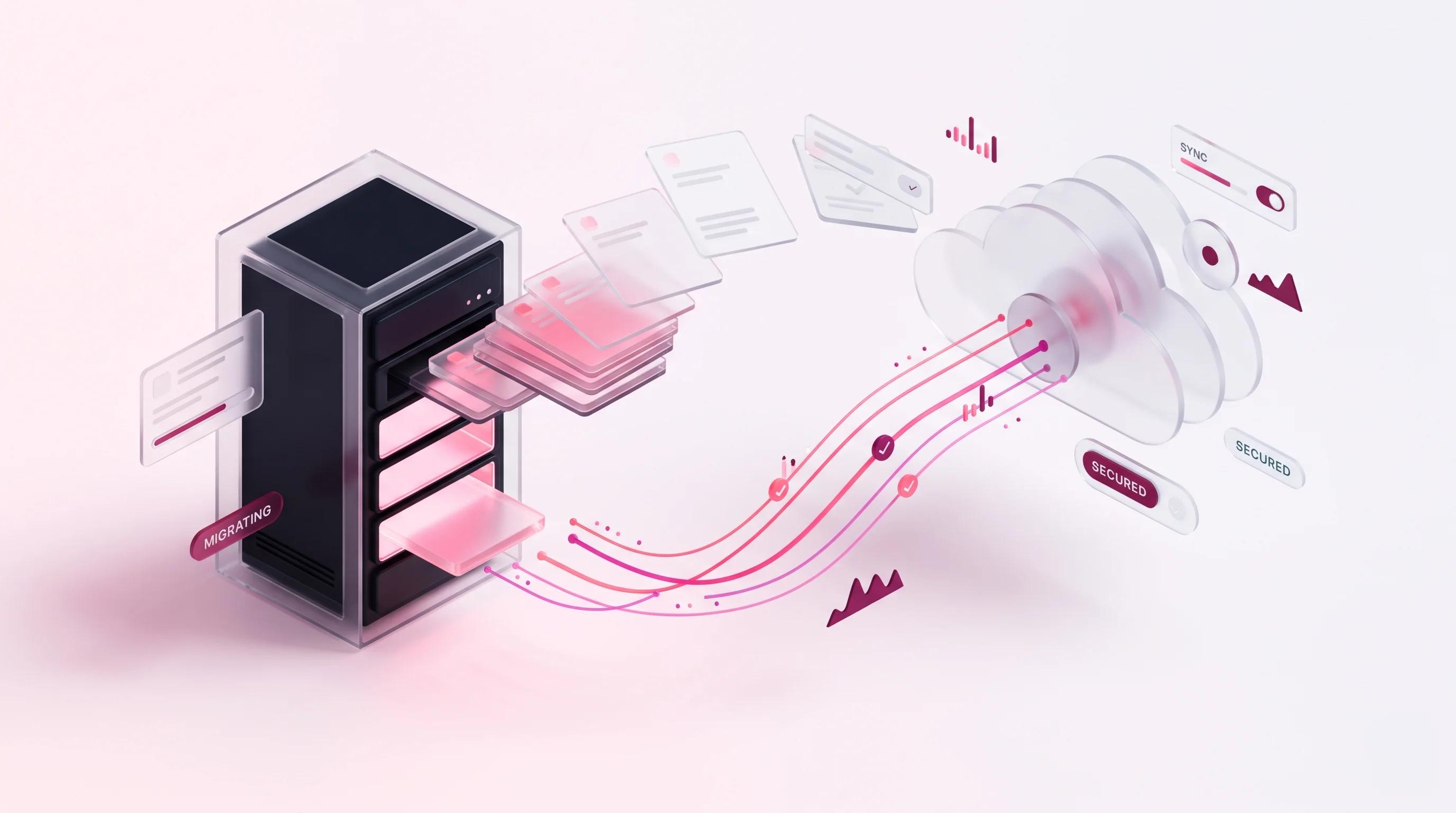
ELT with change data capture
Database change data capture (CDC) and continuous replication made near-real-time data available and simplified transformation.
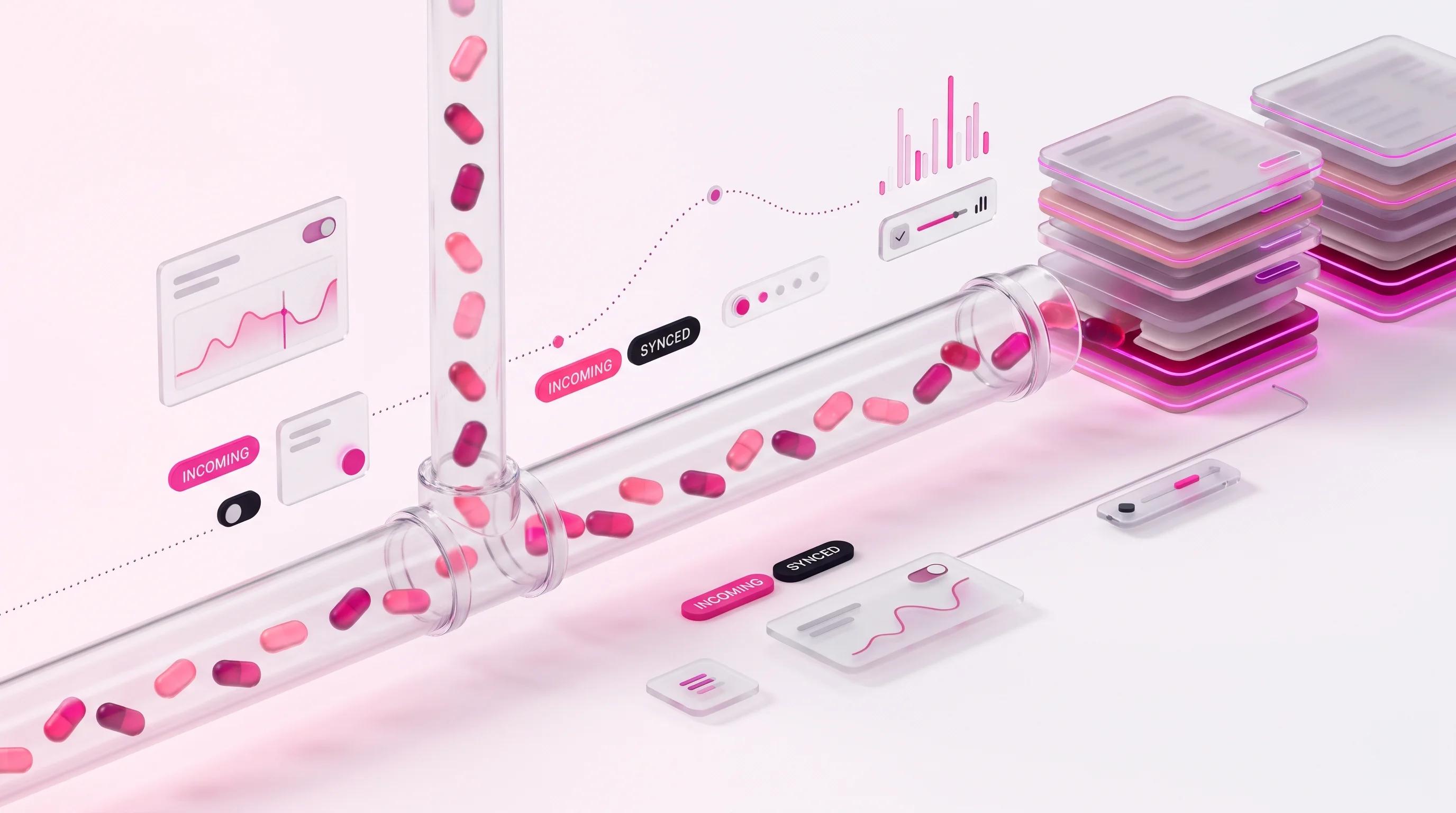
Cloud storage and in-place transformation
Suitable cloud data storage and in-place transformations improved performance and reduced processing latency.
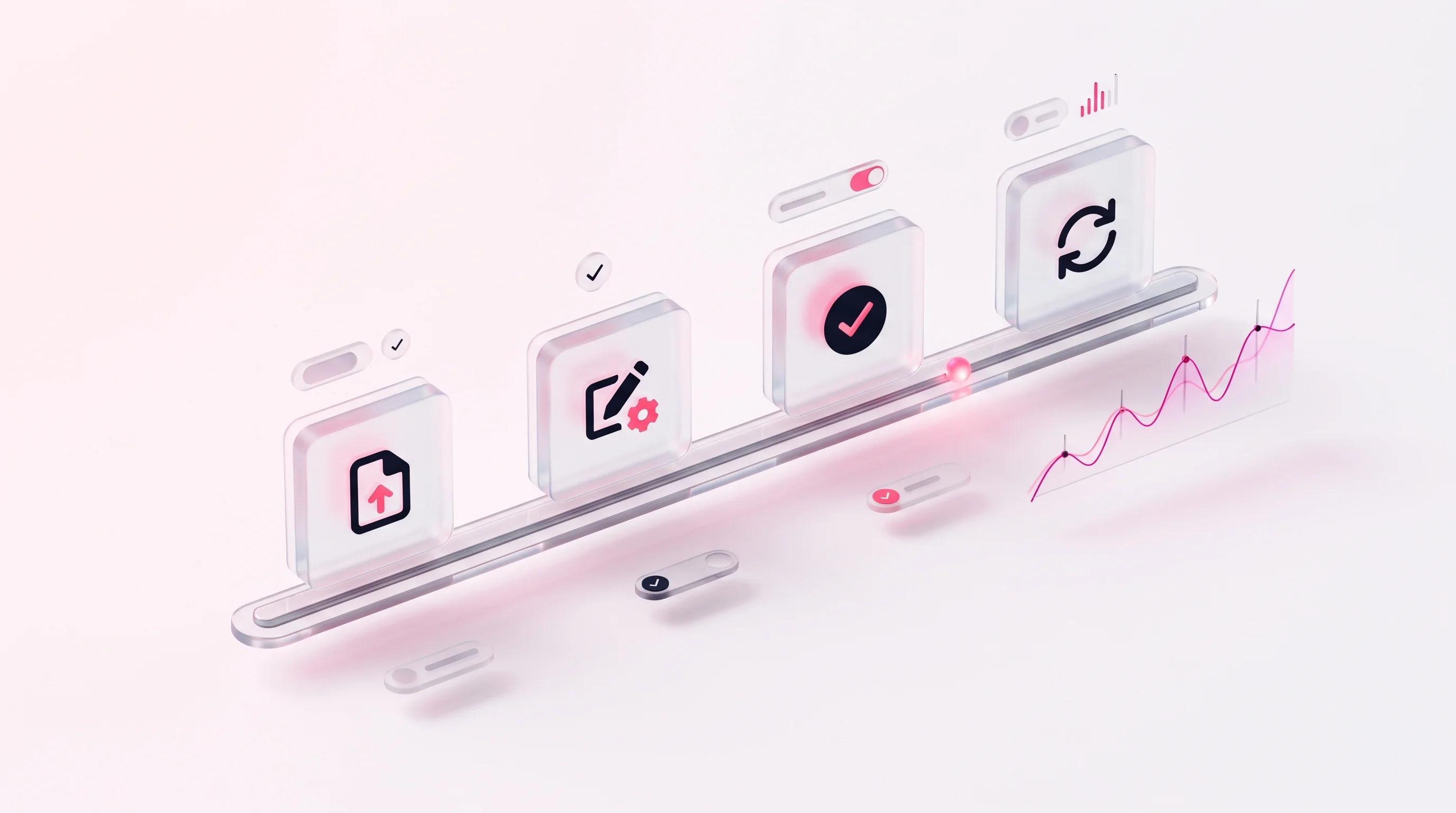
Four project phases
Viability analysis, development, rollout, and monitoring with fine-tuning kept the project on schedule and the rollout seamless.
Faster insight, with no downtime.
By partnering with Tarams and implementing the solution, the client achieved the following outcomes.
30min
End-to-end time to insight
Down from 24 hours, which supports faster decisions and better operational efficiency.
70%
Faster schema changes
Schema changes that once stalled the pipeline now reach production in days, because transformations run in place instead of through bespoke ETL jobs.
3X
Reporting capacity
The platform absorbs several times the reporting volume it handled before, without adding infrastructure as demand grows.
0hrs
Interruption to reporting
Replication and rollout ran alongside live operations, so reporting stayed available to the business throughout.