
Tarams boosts customer satisfaction for cloud analytics startup with AI-driven ticket identification solution
Tarams built an AI model that spots unhappy customers in a cloud analytics startup's support queue, helping its team respond sooner.
A queue with no way to spot unhappy customers.
The client needed a reliable way to tell tickets and emails from unhappy customers apart from routine requests, and to respond to them quickly.
Mixed inbox
Urgent and routine
Tickets and emails from unhappy customers arrived alongside routine requests, with no way to tell them apart quickly.
Slow detection
Unhappy customers
The client had no way to identify disgruntled customers quickly, so their messages could go unnoticed in the queue.
Retention risk
Customer base
Without fast identification, replies to unhappy customers slipped, putting customer satisfaction and retention at risk.
A neural network trained on open-source reviews.
Tarams designed an algorithm using a neural network model and transfer learning methodology, then deployed it at the client's end.
Neural network model
The model learned to read the language of unhappy customers, which made it more effective than traditional keyword-based approaches.

Transfer learning
Transfer learning let the team train the model on open-source reviews and deploy it quickly at the client's end.
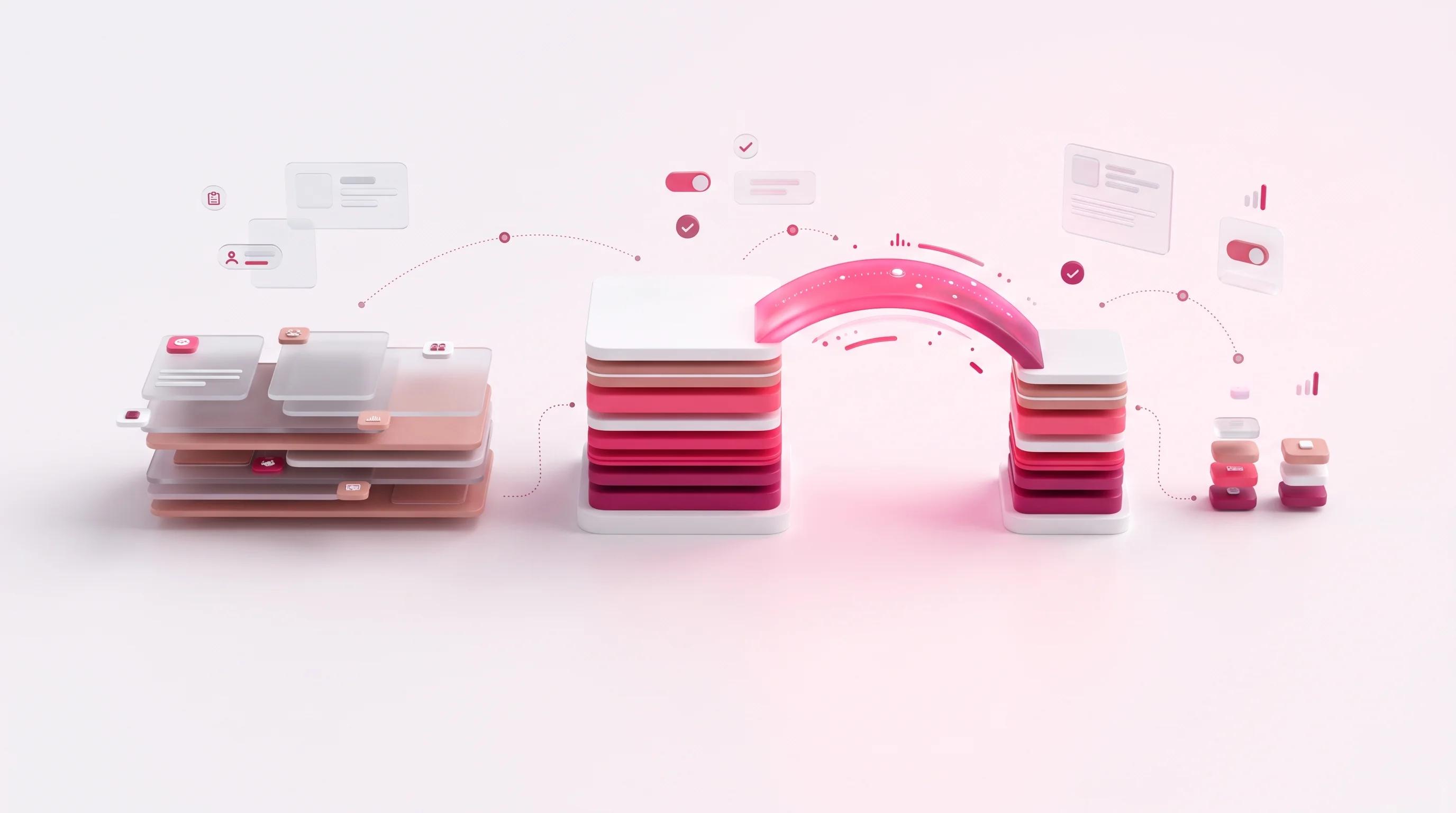
Real-time identification
The algorithm identified disgruntled customer tickets and emails in real time, so the support team could respond promptly.
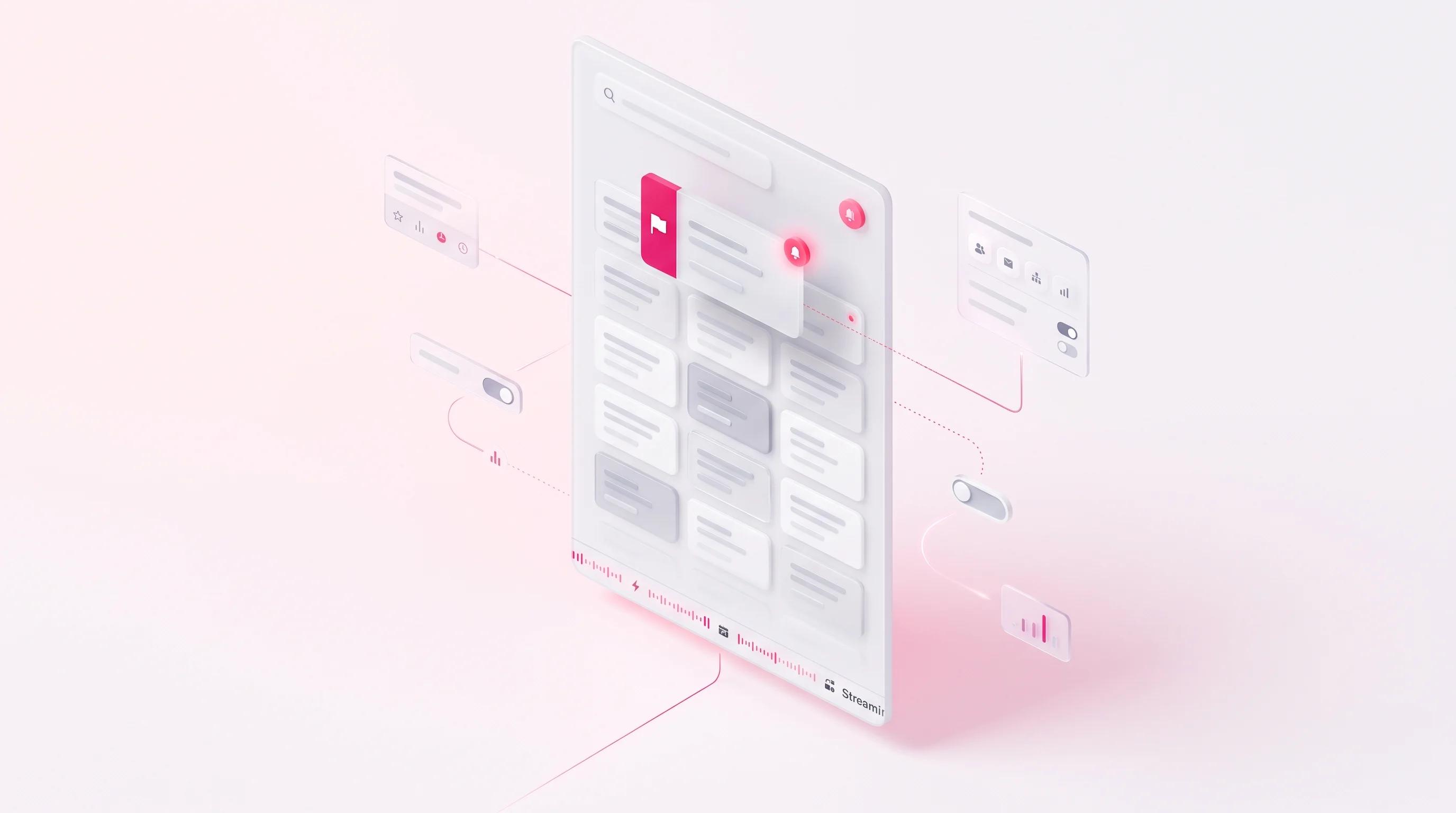
Continuous learning
The algorithm recognized new and unseen patterns and kept improving as it learned from fresh data and feedback.

Faster answers for the customers who needed them most.
With the model in place, the support team could act on unhappy customers sooner and with more focus.
80%
Tickets correctly flagged
The model surfaced the messages that needed attention, catching unhappy customers that keyword rules missed.
60%
Faster first response
Flagged tickets reached an agent the moment they arrived, instead of waiting in a shared queue.
+25%
Customer satisfaction
Earlier replies to frustrated customers lifted satisfaction scores and reduced the risk of churn.
70%
Less manual triage
Routine sorting moved to the model, leaving agents free to spend their time resolving issues rather than reading the queue.